Introduction
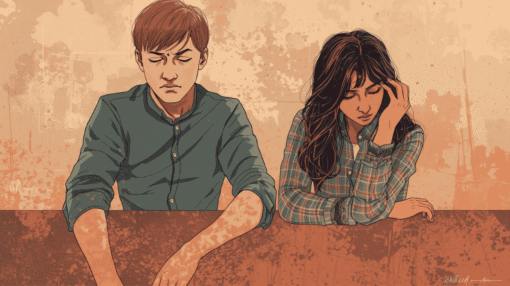
At some point, many of us have experienced the sensation of being “worn out,” thinking that a long weekend or a full night’s sleep will reset our minds and bodies. But what happens when the fatigue runs deeper than physical exhaustion? When even the smallest tasks feel insurmountable, when your emotions feel muted or volatile, and when the joy in things that once energized you is gone—this is not just tiredness. This is emotional burnout.
Emotional burnout is a chronic state of mental, emotional, and physical depletion often caused by prolonged stress, unbalanced responsibilities, and constant pressure. It doesn’t just impact your productivity at work; it influences your relationships, your motivation, and your overall mental health. I personally experienced this during a particularly demanding year at work while caring for a family member. Despite managing to check off tasks, I felt detached, irritable, and unmotivated, as if life was moving around me while I was trapped in a fog of fatigue. This first-hand experience taught me that emotional burnout isn’t laziness—it’s a warning signal that requires immediate attention and healing strategies.
Research shows that nearly 77% of employees have experienced burnout at some point, and studies link chronic stress and burnout to increased risks of anxiety, depression, heart disease, and other physical health issues. Recognizing burnout is not a sign of weakness; it’s a call to prioritize your emotional and mental well-being. This article will explore what emotional burnout really is, the subtle and overt signs to watch for, the underlying causes, and actionable strategies to heal and regain control of your energy and life.
⭐ Quick Answer: How to Heal from Emotional Burnout
Emotional burnout requires acknowledgment, intentional action, and support. Begin by recognizing your feelings and identifying sources of prolonged stress. Implement routines that include rest, mindfulness, and joy, while setting healthy boundaries at work, home, and in relationships. Incorporate practices like journaling, meditation, and physical activity to restore your mental and emotional balance. Recovery is gradual, but with consistent self-care and practical strategies, you can regain energy, clarity, and purpose.
Understanding Emotional Burnout Beyond Tiredness
Burnout is often mistaken for regular tiredness because many symptoms overlap. However, while ordinary fatigue can typically be resolved by rest, burnout infiltrates your emotional and cognitive capacities. You may find it hard to concentrate, make decisions, or feel motivated, even when you physically rest. Simple joys like reading a book, socializing, or exercising may feel burdensome. Emotional burnout also disrupts the reward pathways in the brain, altering dopamine and serotonin levels, which explains why motivation and pleasure diminish.
For instance, I recall waking up one morning feeling physically rested but emotionally drained. Tasks that normally excited me, like writing or connecting with friends, felt like heavy obligations. This disconnect between physical capability and emotional energy is a hallmark of burnout. Studies suggest that chronic exposure to stress hormones, particularly cortisol, affects the prefrontal cortex, responsible for decision-making and emotional regulation, which explains the sense of mental fog and emotional numbness often reported by people experiencing burnout.
Signs and Symptoms of Emotional Burnout
Recognizing burnout early is crucial for intervention. While some signs are overt, others are subtle and often overlooked. Emotional burnout manifests in various ways:
Mental and emotional exhaustion is perhaps the most obvious symptom. You may feel drained, unable to focus, and emotionally detached from work, family, or social responsibilities. I remember a period when I went through an entire day feeling like an observer of my own life, unable to invest emotionally in even meaningful activities.
Cynicism and detachment often follow. Burnout can create a sense of disconnection from people, tasks, or even life goals. Tasks that once brought satisfaction now feel meaningless. Over time, this detachment can extend to personal relationships, leaving individuals feeling isolated and misunderstood.
Physical symptoms are also common. Headaches, insomnia, digestive issues, and increased susceptibility to illness can accompany emotional burnout. Chronic stress has a measurable impact on the immune system, which explains why burnout often coincides with frequent colds or persistent fatigue.
Behavioral changes may appear as irritability, procrastination, or avoidance of responsibilities. I noticed that during my burnout, even minor obligations felt overwhelming, leading to a cycle of avoidance, guilt, and further emotional depletion. Awareness of these signs is the first step toward taking meaningful action.
Root Causes of Emotional Burnout
Burnout is rarely caused by a single factor. It is typically the result of cumulative stressors, including:
- High-demand work environments with excessive workloads and tight deadlines.
- Chronic caregiving or emotional labor, which can drain energy without recognition.
- Lack of autonomy or control, making individuals feel powerless in shaping their own lives.
- Persistent life stressors such as financial pressures, family obligations, or ongoing conflict.
I experienced burnout when I was balancing multiple professional deadlines while caring for a family member and trying to maintain a social life. Each day, I felt stretched thinner, with little time to recharge or engage in activities that brought me joy. Recognizing these triggers is vital because it helps address the source rather than only managing symptoms.
Healing Emotional Burnout Through Daily Practices
Recovery from burnout involves creating intentional, restorative routines. While there is no universal solution, several strategies are widely effective:
1. Setting Boundaries: Limiting overcommitment at work and home is essential. Learning to say no respectfully can prevent chronic stress from accumulating.
2. Prioritizing Rest and Sleep: Quality sleep is crucial for cognitive function and emotional regulation. Even short naps or scheduled downtime can significantly impact mental recovery.
3. Mindfulness and Journaling: Reflecting on emotions, stressors, and achievements helps process experiences and reduces mental clutter. Journaling can clarify patterns and reveal sources of burnout.
4. Engaging in Joyful Activities: Reconnecting with hobbies, creative pursuits, or nature restores emotional energy. I personally began painting and spending time outdoors daily, which gradually reintroduced joy into my life.
5. Seeking Support: Discussing experiences with trusted friends, mentors, or therapists validates feelings and provides guidance. Professional help is particularly beneficial when burnout leads to anxiety, depression, or persistent emotional numbness.
Recovery is cumulative: small, consistent changes yield measurable improvements over time.
To complement these practices, you might explore When Everyone Else Seems Happier: How to Honestly Reclaim Joy in Your Own Life
The Power of Self-Compassion
Burnout often fosters self-criticism, which deepens emotional exhaustion. Practicing self-compassion is critical. Accept that burnout is not a personal failure, and treat yourself with the same understanding you would offer a close friend.
- Validate your emotions without judgment.
- Celebrate small wins, even minor progress.
- Recognize that recovery is gradual, and setbacks are normal.
I found that reframing my internal dialogue from “I’m failing at everything” to “I am learning to restore balance” significantly improved my emotional state. Self-compassion reduces stress and creates a supportive environment for long-term recovery and resilience.
Lifestyle Adjustments to Prevent Recurrence
Long-term prevention is as important as recovery. Sustainable lifestyle changes include:
- Nutrition and hydration, which stabilize energy and mood.
- Regular physical activity, which boosts endorphins and cognitive function.
- Digital detox, reducing social comparison and mental fatigue.
- Structured breaks and micro-rests, which prevent cumulative overload.
For example, I implemented 15–20 minute breaks every 90 minutes at work, combined with short walks and meditation. Over weeks, my focus, mood, and creativity improved markedly. By making these adjustments habitual, emotional resilience strengthens, and burnout risk decreases.
Emotional Burnout and Its Impact on Relationships
Burnout rarely exists in isolation. Emotional depletion often affects relationships with partners, friends, and colleagues. Irritability, detachment, or avoidance may strain connections. During my burnout, I noticed tension with loved ones due to my emotional unavailability.
Rebuilding relationships requires self-awareness, communication, and patience. Explaining your state without blame, setting boundaries, and carving out emotional energy to engage meaningfully can restore trust and intimacy. Emotional self-care and relational care are interdependent: improving one enhances the other.
Professional Help and Recovery Programs
Sometimes, self-guided strategies are insufficient. Professional support from psychologists, counselors, or burnout coaches can provide personalized strategies. Interventions may include:
- Cognitive Behavioral Therapy (CBT) to address negative thought patterns.
- Stress management programs to develop coping mechanisms.
- Personalized recovery plans to balance work, rest, and social engagement.
During my recovery, a few therapy sessions helped me identify hidden stressors and implement targeted strategies, accelerating my healing and preventing recurrence.
Internal Resources and Tools
Journaling, habit trackers, meditation apps, and self-assessment tools provide measurable ways to track progress and maintain accountability. Using tools like daily journals can enhance emotional insight, track energy fluctuations, and reinforce positive habits.
Consider checking out your Daily Journal Prompt Generator, which can help monitor emotional patterns and reinforce daily self-care routines.
Conclusion
Emotional burnout is far more than simple tiredness—it is a profound state of emotional, mental, and physical exhaustion that demands attention and care. By recognizing signs, understanding root causes, implementing self-care routines, practicing self-compassion, and seeking support when needed, you can reclaim energy, clarity, and motivation. Recovery is not immediate; it requires patience, self-awareness, and intentional actions. Yet, the outcome is transformative: renewed resilience, deeper emotional balance, and a more sustainable, fulfilling life.
FAQs
How do I know if I’m experiencing emotional burnout or just regular stress?
Burnout is chronic, pervasive, and affects emotional, cognitive, and physical functioning, whereas stress is often temporary and task-specific.
Can lifestyle changes alone heal burnout?
Lifestyle changes are powerful, but professional guidance may accelerate recovery and provide personalized strategies for persistent burnout.
How long does it take to recover from burnout?
Recovery varies, but consistent rest, self-care, and boundary-setting typically show improvements in weeks to months.
Are mindfulness and journaling effective against burnout?
Yes, they help process emotions, identify stress patterns, and support emotional clarity and resilience.
How does burnout affect relationships?
Emotional exhaustion can lead to irritability, withdrawal, or detachment, straining personal and professional connections.