Introduction
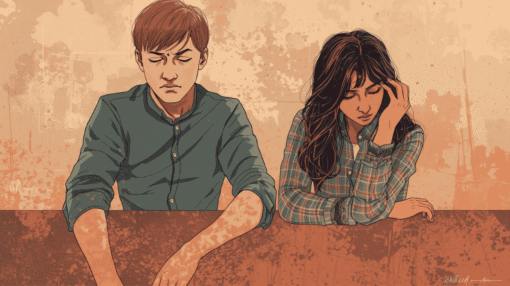
Sadness is one of the most universally felt yet misunderstood emotions. Many of us fear it, try to suppress it, or feel guilt and shame for experiencing it. Yet sadness is as natural and vital as joy, curiosity, or excitement. Life’s ebb and flow, with its wins and losses, inevitably brings moments of sadness—whether it’s losing a loved one, facing a career setback, or experiencing the quiet, creeping disappointment of unmet expectations.
I still vividly remember a moment when a seemingly small comment from a friend left me feeling deeply low. At first, I tried to brush it off, convincing myself I “shouldn’t feel this way” and that I needed to just move on. But the more I resisted, the more persistent and consuming the emotion became, like a storm I couldn’t outrun. Only when I allowed myself to fully acknowledge the sadness, reflect on what had triggered it, and express it through journaling and mindful breathing did I begin to feel lighter. That experience taught me that sadness is not an enemy—it’s a guide pointing to our needs, our values, and the areas in our lives that require attention.
In this article, we’ll explore how to embrace sadness without letting it control your life. We’ll examine why sadness matters, the hidden costs of avoidance, how to process emotions constructively, and ways to transform these experiences into growth. Along the way, we’ll also touch on related emotions such as stress, envy, and emotional burnout, offering practical strategies for balanced emotional well-being.
Quick Answer: How to Embrace Sadness Without Losing Control
The first step in embracing sadness is simply to acknowledge your feelings. Don’t judge yourself for feeling down; instead, allow yourself to experience the emotion fully. Use reflective practices like journaling, mindfulness, or deep breathing to explore the roots of your sadness. Combine these with self-care routines, creative outlets, and social support to prevent emotional overwhelm. Over time, sadness can become a guide for self-awareness and personal growth, teaching you more about your needs, boundaries, and values.
Why Sadness Matters
Sadness often gets a bad reputation, but it plays an essential role in emotional health. It acts as an emotional signal, alerting us to unmet needs, unresolved conflicts, or life transitions. Avoiding or suppressing sadness can lead to emotional stagnation, stress, anxiety, and even physical symptoms like headaches, fatigue, or insomnia.
I remember feeling intense sadness after leaving a job I genuinely loved. At first, I told myself it wasn’t a “big deal,” but the emotion persisted. Through reflection, I realized the sadness was pointing to my core values: autonomy, creativity, and meaningful contribution. The recognition of these values ultimately helped me make better decisions about my next steps, rather than letting the sadness fester in silence.
According to a 2019 study in Emotion, individuals who acknowledged negative emotions rather than suppressing them reported higher life satisfaction, better problem-solving abilities, and stronger social relationships. Sadness, when properly understood and integrated, becomes a tool for self-awareness and personal growth, rather than a hindrance.
Recognizing Avoidance Patterns
One of the challenges of sadness is that it often triggers avoidance behaviors. We fill our schedules with distractions, scroll through social media, binge-watch content, or bury ourselves in work. Physical signs can include tension, fatigue, headaches, changes in appetite, or disrupted sleep. Emotional avoidance may manifest as irritability, numbness, or emotional volatility.
I once avoided confronting the sadness of a drifting friendship. Instead of acknowledging it, I threw myself into social events and work projects. While I felt temporarily distracted, the underlying emotion accumulated, eventually leading to anxiety, heightened irritability, and even physical tension. Recognizing avoidance patterns early allows us to process emotions before they manifest as chronic stress or relational tension.
Sitting With Sadness: Practical Exercises
Embracing sadness doesn’t mean wallowing in it endlessly. It means acknowledging the emotion and giving it space to be felt constructively. Journaling is one of the most effective tools for this. Writing down your thoughts and feelings externalizes the emotion, clarifies your perspective, and highlights patterns or triggers.
Here’s a simple exercise: Spend ten minutes writing about what made you sad today. Don’t censor yourself. Afterward, read through your reflections and ask: What does this sadness tell me about my needs, my values, or my boundaries? Are there any actionable steps I can take to address the root cause?
Mindfulness is another powerful practice. Focus on your breath, notice your surroundings, or describe your emotions without judgment. Even a five-minute breathing exercise can calm the nervous system and prevent rumination. Over time, these techniques help transform sadness from a burden into a source of insight and emotional growth.
Turning Sadness Into Growth
Sadness can be a catalyst for personal growth. By reflecting on what it reveals about our desires, boundaries, and priorities, we can make intentional, informed life choices.
I recall feeling immense sadness after moving to a new city where I knew no one. At first, I tried to escape the feeling with TV and online distractions. Eventually, I dedicated time to exploring local groups, volunteering, and journaling. Within weeks, I not only processed the sadness but also developed meaningful connections and a renewed sense of belonging.
Psychologists suggest that reflective practices can help people use negative emotions as learning opportunities. This approach strengthens resilience, emotional intelligence, and the ability to navigate future challenges with confidence.
The Social Side of Sadness
Sadness is rarely experienced in isolation; it often interacts with our social environment. Hiding emotions can lead to feelings of isolation, while oversharing may overwhelm others. Thoughtful sharing, especially with empathetic friends or family, can foster connection and mutual support.
If feelings of exclusion intensify your sadness, tools like What to Do When You Feel Left Out: Healing Social Rejection provide actionable strategies for reconnecting with supportive people, rebuilding confidence, and restoring a sense of belonging.
When Sadness Intersects With Stress and Burnout
Persistent sadness often overlaps with stress and burnout. Chronic exposure to stress hormones such as cortisol can amplify emotional lows, affecting both mental and physical health. Implementing stress-reduction techniques, such as structured breaks, deep breathing, mindfulness, and physical activity, can prevent emotional overwhelm.
Sadness and Other Emotions
Sadness rarely exists in isolation. It often interacts with emotions such as envy, comparison, or suppressed anger. Observing others succeed while you feel low can heighten feelings of inadequacy. Reflecting on resources like When Envy Creeps In: How to Feel Better Without Comparing Yourself can help manage these comparisons constructively.
Anger may also hide beneath sadness. Unrecognized frustration can manifest as irritability or conflict with loved ones. Likewise, persistent rumination can overlap with anxiety, making strategies from How to Stop Overthinking When Everything Feels Out of Control helpful. By identifying emotional layers, you can respond with clarity and compassion.
Integrating Sadness Into Life
Rather than fearing or suppressing sadness, integrate it as a core part of emotional health. Acceptance, reflection, social support, creative expression, and actionable insights form the foundation of healthy emotional practice.
For instance, after a professional setback, I acknowledged my sadness, journaled my insights, and took small, actionable steps aligned with my values. Over time, I not only processed the emotion but also gained clarity, resilience, and a renewed sense of purpose. Sadness, when consciously embraced, becomes a teacher, offering lessons in empathy, self-awareness, and emotional strength.
Practical exercises to integrate sadness include:
- Daily reflection journaling: Spend 10–15 minutes each day noting emotional triggers and insights.
- Mindful observation: Focus on sensations, thoughts, and feelings without judgment.
- Creative expression: Use art, music, or writing to process emotions constructively.
- Structured social connection: Share reflections with supportive friends or mentors, fostering empathy and perspective.
Healing Through Movement and Routine
Physical activity has profound effects on emotional well-being. Movement stimulates endorphins, reduces cortisol levels, and provides a tangible outlet for processing emotions. Even light activity like walking outdoors or gentle stretching can significantly alleviate the heaviness of sadness.
Establishing routines, such as morning reflections, journaling, or brief mindfulness sessions, creates a sense of stability and control. These habits reinforce the mindset that emotions can be acknowledged without overwhelming daily functioning.
Journaling for Emotional Insight
Journaling is a particularly powerful tool for managing sadness. Our Daily Journal Prompt Generator provides structured prompts to help individuals identify sources of emotional distress, explore their significance, and reflect on actionable steps. Writing about sadness not only clarifies emotions but also uncovers hidden patterns and insights that facilitate personal growth.
Conclusion
Sadness is a natural, necessary part of the human experience, offering opportunities for reflection, growth, and emotional resilience. By embracing it consciously, reflecting on its lessons, and applying practical strategies—mindfulness, journaling, creative expression, social support, and movement—you can prevent sadness from becoming overwhelming.
Over time, this approach strengthens empathy, self-awareness, and resilience. The key is to allow sadness to guide rather than control your life, transforming emotional lows into opportunities for insight, connection, and personal evolution.
FAQs
1. Is daily sadness normal?
Yes. Feeling sad occasionally is part of being human. Persistent, overwhelming sadness may require professional guidance.
2. How do I differentiate sadness from depression?
Sadness is situational and temporary, while depression is persistent and pervasive, impacting daily life. Seek professional support if unsure.
3. Can journaling genuinely help with sadness?
Absolutely. Writing helps externalize emotions, clarify thoughts, and foster reflection. Guided prompts enhance this process.
4. How can I prevent sadness from straining relationships?
Share emotions thoughtfully, maintain routines, and seek supportive connections without overburdening others.
5. How can I turn sadness into personal growth?
Reflect on lessons, identify patterns, implement actionable changes, and connect with supportive networks aligned with your values.
6. How long does it take to recover from deep sadness?
Recovery varies. Practicing awareness, reflection, and healthy coping strategies accelerates healing, but each journey is unique.