Introduction
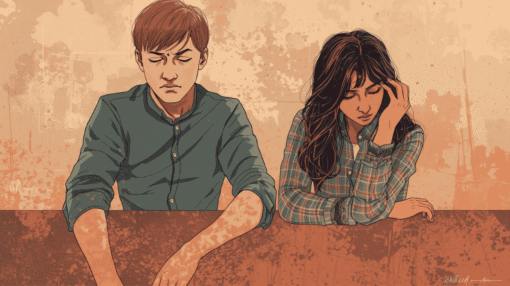
Emotional triggers are like invisible tripwires in the mind. You’re moving through your day, feeling normal, maybe even peaceful, and then something happens — a comment, a tone, an expression, a memory — and suddenly your whole body reacts before your mind even understands what’s going on. Your chest tightens. Your heart speeds up. Your thoughts scramble into self-defense. You feel attacked even when no one is attacking. You feel ignored, rejected, blamed, embarrassed, or unsafe, and that emotional surge takes over your reasoning.
We’ve all been there. It’s that moment when someone interrupts you and you feel instantly disrespected. When you see someone being appreciated and you feel suddenly invisible. When someone raises their voice just a little too sharply and something inside you snaps. Or when a friend doesn’t respond to your message and your mind immediately jumps to “What did I do wrong?” These reactions feel intense, overwhelming, and often out of proportion to what’s actually happening.
And the most frustrating part is this:
You know you’re overreacting, but you can’t stop it.
If this sounds like you, you are not alone. Emotional triggers are extremely common, especially for people who struggle with anxiety, sadness, jealousy, resentment, burnout, irritability, self-blame, or feelings of being unappreciated. If you’ve ever found the articles on How to Stop Overthinking When Everything Feels Out of Control, Embracing Sadness Without Letting It Take Over, Overcoming Chronic Anxiety: Techniques That Actually Work, or Why You Feel Irritable All the Time and How to Calm Your Mind relatable, then you already know how sensitive the emotional system can be.
This article will break down emotional triggers in simple human language, not psychological jargon. You’ll learn why certain things affect you more than others, how triggers develop, how to regulate yourself in the moment, and how to build long-term emotional resilience. You’ll also learn what it feels like to respond calmly instead of reacting impulsively.
Most importantly, this article will help you understand one thing:
Your triggers aren’t signs of weakness — they’re evidence of wounds that want healing.
Before we begin, here’s a simple, clear summary for quick understanding.
Quick Answer (In Simple Terms)
You can navigate emotional triggers by pausing before reacting, acknowledging the emotion rising within you, and grounding yourself through slow breathing or body awareness. Instead of suppressing the trigger, identify the deeper root emotion — fear, insecurity, abandonment, shame, or anger — and choose a response aligned with your values, not your emotional impulse. Over time, self-awareness and emotional regulation techniques help you stay calm and in control.
What Emotional Triggers Really Are and Why They Feel So Intense
An emotional trigger is a deeply personal reaction linked to pain, fear, or unresolved memories from your past. When something in your present resembles that past experience — even in the smallest way — your mind treats it like a threat and reacts automatically. It’s not conscious. It’s not chosen. It’s not intentional. It’s survival.
For example, if you grew up feeling unseen or unheard, even a harmless moment where someone talks over you might trigger anger, hurt, or sadness. If you’ve felt rejected in previous relationships, a partner being distant for a few hours might trigger panic or insecurity. If you’ve been criticized harshly in your life, even small feedback might feel like an attack.
This is why triggers feel “too big” for what’s actually happening.
Your body isn’t reacting to the current situation —
it’s reacting to every old wound it reminds you of.
Many people who struggle with emotional triggers also deal with layered emotions found in related topics like:
- Feeling unappreciated, explored in How to Cope with Feeling Unappreciated: A Self-Worth Reset
- Emotional burnout, explained in Understanding Emotional Burnout: Why You Feel Drained and How to Recover
- Resentment, discussed in The Silent Weight of Resentment: How to Let Go and Move Forward
- Comparison and envy, addressed in When Envy Creeps In: How to Feel Better Without Comparing Yourself
- Jealousy and insecurity, covered in How to Deal with Jealousy in Life, Love, and Work
These emotional themes often overlap, creating a web of sensitivity that makes certain moments feel overwhelmingly painful.
One of the biggest misconceptions about triggers is that people think they should “just get over it.” But triggers don’t disappear through avoidance or suppression. They soften through understanding.
The Hidden Roots of Triggers — What You’re Really Reacting To
Every emotional trigger has a root. The surface-level reaction — anger, sadness, fear, jealousy, shame — is only the top layer. Beneath it is something deeper. If you look closely, you will often find that triggers grow from foundational emotional needs.
Most triggers come from one of these internal wounds:
1. Fear of being rejected or abandoned
This is common in people who feel anxious when others pull away or don’t show affection.
2. Fear of being unworthy or not enough
This often appears when someone criticizes you or seems unimpressed.
3. Fear of being controlled or disrespected
When someone tells you what to do, dismisses your opinion, or interrupts you.
4. Fear of being invisible or ignored
When your efforts aren’t noticed or appreciated.
5. Fear of losing connection or closeness
When someone withdraws emotionally.
6. Fear of losing love, support, or validation
When someone seems upset with you.
These fears are often learned in childhood or early relationships. They come from experiences where you may have felt unsafe, unloved, overlooked, or criticized. When something in the present mirrors something in the past, even slightly, your emotional memory kicks in and sounds an alarm.
This is why it’s not the situation itself that hurts —
it’s the meaning your mind attaches to it.
If a friend cancels plans, it might simply mean they’re tired.
But your mind might interpret it as: “I’m not important.”
If someone is distracted while talking to you, it might just mean they’re busy.
But your mind might interpret it as: “I’m boring. They don’t care.”
If someone says “We need to talk,” it might mean nothing serious at all.
But your mind might interpret it as: “I did something wrong.”
These interpretations often come from past wounds, unprocessed emotions, and internal narratives that have shaped how you experience the world.
You can explore deeper emotional roots in related article like From Guilt to Growth: How to Transform Self-Blame Into Self-Improvement
Understanding the emotional root is the first step toward breaking the cycle.
How Emotional Triggers Build Up Over Time (The Accumulation Effect)
Triggers don’t form overnight. They are built through repeated emotional experiences that go unprocessed or unnoticed. When you keep carrying emotional weight without releasing it, the weight becomes sensitivity. And sensitivity becomes reactivity.
Let’s imagine your emotional capacity as a glass of water. Every small stressor, emotion, disappointment, or hurt adds a few drops. Most days you manage it. But when that glass is already close to the top, even one tiny drop — the wrong word, the wrong look, the wrong tone — causes it to overflow.
This is why emotional burnout dramatically increases your sensitivity to triggers, as explained in Understanding Emotional Burnout: Why You Feel Drained and How to Recover. When you’re exhausted, everything feels heavier. Small things feel catastrophic. Minor comments feel personal. Slight changes in people’s behavior feel like rejection.
The same happens with sadness, resentment, irritability, jealousy, and anxiety.
- When sadness is unexpressed, triggers make it spill over.
- When resentment builds, triggers ignite it instantly.
- When jealousy accumulates, triggers fuel insecurity.
- When irritability is high, triggers turn into anger.
- When anxiety is chronic, triggers amplify fear.
This is why emotional regulation is not just about handling triggers in the moment — it’s also about healing the emotional buildup beneath them.
Recognizing the Signs of Being Triggered Before You Lose Control
It’s easy to identify a trigger after the explosion, but emotional regulation begins much earlier. Most people don’t realize how many warning signs the body gives before emotions take over. These signs can be subtle or loud, depending on how aware you are of your internal state.
You might feel a tightness in your chest or throat. Your shoulders might tense up. Your breathing might get shallow. Your thoughts might speed up or sharpen into self-defense. You may suddenly feel more sensitive, irritated, attacked, or vulnerable. You might feel heat rising in your face or stomach.
Some people instinctively want to withdraw or shut down, while others feel the urge to fight, explain, defend, or fix. If you’ve ever related to Why You Feel Irritable All the Time and How to Calm Your Mind, you’ll recognize that irritability often masks deeper emotional discomfort.
Recognizing these early signals is a powerful step because it gives you space to choose a different response. When you catch yourself early, you can pause, breathe, ground yourself, and stay conscious instead of falling into autopilot reactions.
The First Step to Staying in Control — Creating the Pause
One of the most effective emotional regulation techniques is learning how to pause before reacting. The pause doesn’t need to be long. Even three to five seconds can interrupt emotional momentum.
The pause is where your power lives.
This small moment gives your nervous system a chance to slow down and your brain a moment to differentiate between emotional memory and present reality. It stops you from reacting impulsively and gives you a moment to observe your feelings instead of being consumed by them.
During this pause, you don’t need to do anything dramatic. Simply breathing slowly, unclenching your jaw, or grounding your feet on the floor can help your body switch from survival mode to awareness mode.
In those few seconds, you’re giving yourself permission to respond intentionally instead of reacting automatically.
Grounding Yourself During Triggering Moments
Grounding is one of the most powerful emotional regulation tools because it brings you out of your mind’s story and back into your body’s reality.
When your emotions are triggered, your mind often begins racing with assumptions, fears, predictions, and worst-case scenarios. Grounding redirects your focus from your thoughts to your senses, helping your nervous system calm down.
There are countless grounding techniques, but one of the simplest is slow breathing. When your breath slows, your heart rate stabilizes. When your heart rate stabilizes, your mind begins to feel safer. When your mind feels safer, your reaction softens.
Another grounding technique is naming what you’re feeling. You don’t have to get it perfectly right. Even saying, “I feel overwhelmed,” “I feel dismissed,” or “I feel anxious right now,” helps you step out of emotional chaos and into emotional awareness.
You can explore more grounding strategies in Dealing with Overwhelm: Proven Step-by-Step Emotional Regulation Strategies, where emotional overload is explained in more depth.
When you ground yourself, you’re not avoiding the emotion — you’re creating a safe internal space to feel it without being consumed.
Naming the Trigger Instead of Fighting It
One of the biggest mistakes people make when triggered is trying to stop the feeling. They try to push it down, ignore it, silence it, or pretend it’s not happening. But suppression only intensifies the emotion.
When you name a trigger, you take away its power.
Naming the trigger doesn’t mean overanalyzing it. It doesn’t mean going into a long mental story about why you feel this way. It simply means acknowledging that a specific emotion has been activated.
For example:
- “This situation is triggering my fear of being ignored.”
- “I’m reacting because I feel rejected.”
- “I’m feeling defensive because this reminds me of past criticism.”
- “I feel unappreciated in this moment.”
- “I’m scared of losing connection.”
Naming the emotion makes your experience conscious instead of automatic. It helps your brain shift from reacting to observing, which dramatically reduces emotional intensity.
Understanding the Story Your Mind is Telling You
Every trigger comes with a story. And that story is often exaggerated, distorted, or rooted in old experiences rather than current reality.
For example
- Someone not texting back becomes “They don’t care about me.”
- Someone being busy becomes “I’m not a priority.”
- Someone criticizing one thing becomes “I can’t do anything right.”
- Someone being quiet becomes “I must have upset them.”
These stories feel real, but they are rarely accurate.
When triggered, try asking yourself:
“What story am I telling myself right now?”
This question opens a doorway between your emotional state and your logical awareness. It helps you separate the actual situation from your emotional interpretation of it.
How to Respond Instead of Reacting
Responding is a conscious choice. Reacting is a habit.
When you respond, you’re acting from awareness.
When you react, you’re acting from emotional memory.
The key difference is time and intention.
A response requires awareness.
A reaction requires activation.
To respond effectively, you need three things:
- Awareness of what you’re feeling
- Understanding of why the trigger activated you
- The ability to pause long enough to choose your next step
Once you’ve grounded yourself and named your emotion, you can ask:
“What do I need right now to feel safe, respected, or understood?”
Your response could be
- Setting a boundary
- Taking a break
- Asking for clarity
- Communicating calmly
- Reframing the situation
- Giving yourself time
- Letting the moment pass
- Addressing the issue later when calm
Responding isn’t about suppressing your emotions.
It’s about expressing them in a way that supports connection rather than conflict.
Emotional Triggers and Relationships (How They Affect Your Connections)
Triggers don’t just impact you — they shape the way you connect with others. They affect communication, trust, affection, vulnerability, and emotional safety.
For example:
- If you’re triggered by criticism, you may become defensive.
- If you’re triggered by distance, you may become clingy.
- If you’re triggered by rejection, you may shut down.
- If you’re triggered by disrespect, you may explode.
- If you’re triggered by comparison, you may feel insecure.
- If you’re triggered by feeling unappreciated, you may withdraw.
These patterns become predictable emotional dynamics in relationships. They can create cycles of misunderstanding, hurt feelings, or emotional disconnect.
Understanding your triggers can strengthen your relationships because you can communicate your needs more clearly.
For instance, saying something like:
“When you raise your voice, it makes me feel unsafe, even when you’re not angry at me. I’m working on it, but I need us to speak more gently.”
or
“I shut down when I feel ignored. I’m not trying to be distant — I just need reassurance.”
These conversations build emotional safety, which reduces triggers over time.
Emotional Triggers and the Nervous System (Why the Body Reacts So Fast)
Most emotional reactions are not logical — they’re physiological. They come from your nervous system, not your rational mind.
When you’re triggered, your body enters one of three states:
- Fight — anger, arguing, defending
- Flight — withdrawing, escaping, shutting down
- Freeze — numbness, blankness, mental fog
Understanding your nervous system helps you respond compassionately to your reactions. Instead of judging yourself, you can say, “My body thinks I’m in danger right now.”
When your nervous system learns calm, your mind follows.
Long-Term Strategies to Reduce Triggers Over Time
Managing triggers in the moment is important, but long-term healing comes from reducing emotional sensitivity and strengthening emotional resilience.
Here are a few long-term strategies explained in paragraph form:
Building Emotional Awareness
The more you understand your internal world, the less likely you are to be blindsided by it. Paying attention to what bothers you, what patterns repeat, and what emotions frequently arise helps you decode your inner landscape.
Processing Old Emotional Wounds
Triggers become weaker when old pain is finally acknowledged and addressed. If resentment, sadness, guilt, or jealousy remain unprocessed, they continue to create emotional sensitivity.
Strengthening Emotional Boundaries
When you learn how to say “no,” protect your energy, and communicate your needs, triggers naturally decrease. A lack of boundaries leaves you emotionally exposed.
Calming Your Nervous System Daily
Emotional regulation works best when practiced consistently. Deep breathing, grounding rhythms, mindful reflection, or even short pauses build resilience.
Rewriting Emotional Narratives
Your triggers often come from stories you’ve told yourself for years. Rewriting these stories — from “I’m not enough” to “I deserve respect,” from “Everyone leaves” to “I am safe now” — changes how your emotional system reacts.
Practicing Self-Compassion
This is the most transformative healing tool. When you treat yourself with kindness instead of criticism, your triggers lose their intensity. Self-blame amplifies emotional pain and can help shift your internal narrative.
When Triggers Are Connected to Deep Emotional Patterns
Some triggers are not surface-level reactions — they represent deeper emotional themes in your life. These themes might include:
- Feeling invisible
- Feeling rejected
- Feeling not enough
- Feeling criticized
- Feeling unheard
- Feeling betrayed
- Feeling unlovable
- Feeling emotionally unsafe
Once you understand your emotional patterns, your reactions start making sense — and when reactions make sense, they become easier to manage.
Healing Emotional Triggers Through Connection and Communication
Triggers soften in safe relationships. Whether it’s friendships, family, or romantic partnerships, emotional safety allows your nervous system to relax and your emotional wounds to heal.
Communicating your triggers is not a sign of weakness — it is a sign of emotional maturity.
For example
- “When plans change suddenly, I feel anxious. Can you give me a little reassurance when that happens?”
- “When you don’t respond for long periods, I start overthinking. I’m working on it, but some acknowledgment helps me stay grounded.”
- “When you criticize me, even gently, it brings up old wounds. I need soft communication when we talk about concerns.”
These conversations are not about blaming the other person. They are about building understanding and connection.
Healing triggers is not a solo journey. Humans are wired for connection, and many emotional wounds were created in relationships — which means some will heal through relationships as well.
What Emotional Control Really Looks Like
Emotional control is not the absence of emotions.
It is the ability to feel deeply without acting impulsively.
Someone who has strong emotional regulation skills can:
- Feel a surge of emotion without exploding
- Pause before reacting
- Express themselves without aggression
- Listen despite discomfort
- Communicate their needs clearly
- Self-soothe during emotional discomfort
- Sit with an emotion instead of avoiding it
- Reflect instead of blame
- Choose peace over reactivity
This is not something achieved overnight, but through consistent emotional practice. It is a lifelong journey — one that becomes easier with awareness, compassion, and self-understanding.
Conclusion
Emotional triggers are not random outbursts — they are emotional signals guiding you toward the parts of yourself that need compassion, healing, and understanding. Learning to navigate them without losing control is one of the most powerful emotional skills you can develop.
By slowing down, grounding yourself, naming the emotion, questioning the story your mind is telling you, and choosing intentional responses, you gradually take back control of your emotional world. Over time, triggers become softer, reactions become gentler, and your emotional resilience grows stronger.
Healing emotional triggers is not about becoming perfect or emotionless.
It is about becoming aware, balanced, and self-compassionate.
You deserve internal peace, emotional clarity, and relationships that feel safe.
You deserve a mind that doesn’t attack you.
You deserve a life where you feel in control of your reactions, not controlled by them.
And with awareness, consistency, and gentle self-care — that is exactly what you can create.
FAQs
Why do emotional triggers feel so overwhelming?
Because they activate old emotional wounds, your nervous system reacts as if you’re facing a threat. The trigger feels bigger than the moment because your body remembers past pain, even when your mind tries to forget it.
How long does it take to reduce emotional triggers?
It varies for everyone, but with consistent emotional awareness, self-regulation, and healing practices, many people notice improvement within weeks or months. Long-term emotional resilience builds gradually but steadily.
Why do the same triggers keep repeating?
Repeated triggers indicate an emotional wound that hasn’t been fully healed yet. The pattern keeps showing up to highlight what needs attention, compassion, or boundaries. Understanding the root emotion helps break the cycle.
What should I do if someone triggers me often?
Communicate your experience calmly, set clear boundaries if needed, and take time to regulate yourself before responding. If the triggering behavior continues, you may need to reevaluate the emotional safety of the relationship.
Can emotional triggers ever fully go away?
Yes, some can fade completely, especially when the underlying wound is healed. Others become much softer and easier to manage. The goal isn’t to erase triggers but to respond with control, clarity, and confidence.